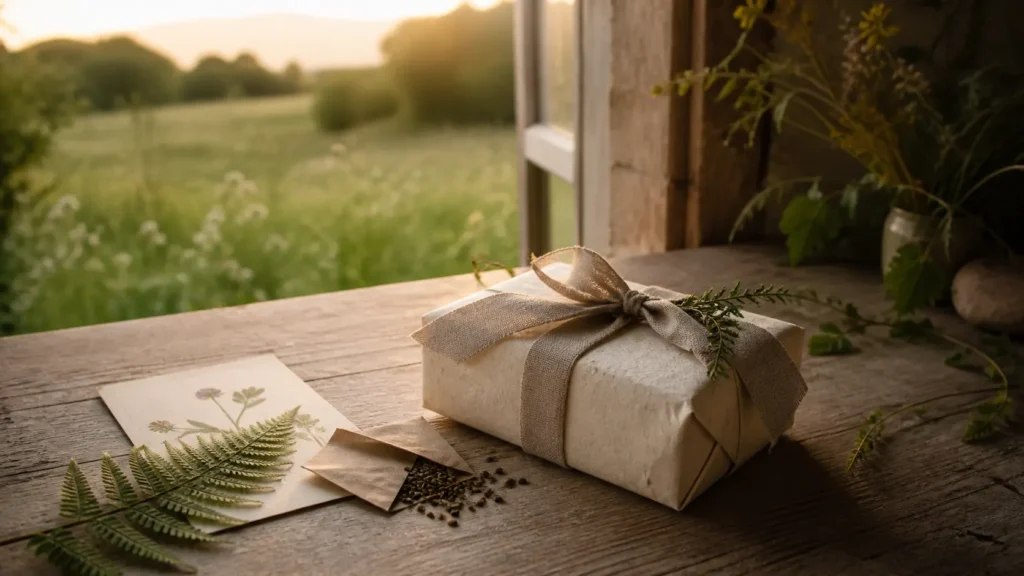
Finding a gift for someone who loves nature may seem easy. A plant, a bird book, a few seeds, something made of wood… there is no shortage of possibilities.
And yet, when looking for unique gifts for nature lovers, another question quickly arises: how can you give something that is not simply one more object?
Fortunately, there are many other ways to delight a nature lover. You can give an experience, an opportunity to learn, a contribution to a biodiversity project, time spent outdoors, or even a lasting connection with a real place.
Here are ten ideas, from the simplest to the most unusual.
1. Give an experience that helps someone observe nature
Sometimes the most beautiful nature gift does not fit inside a box.
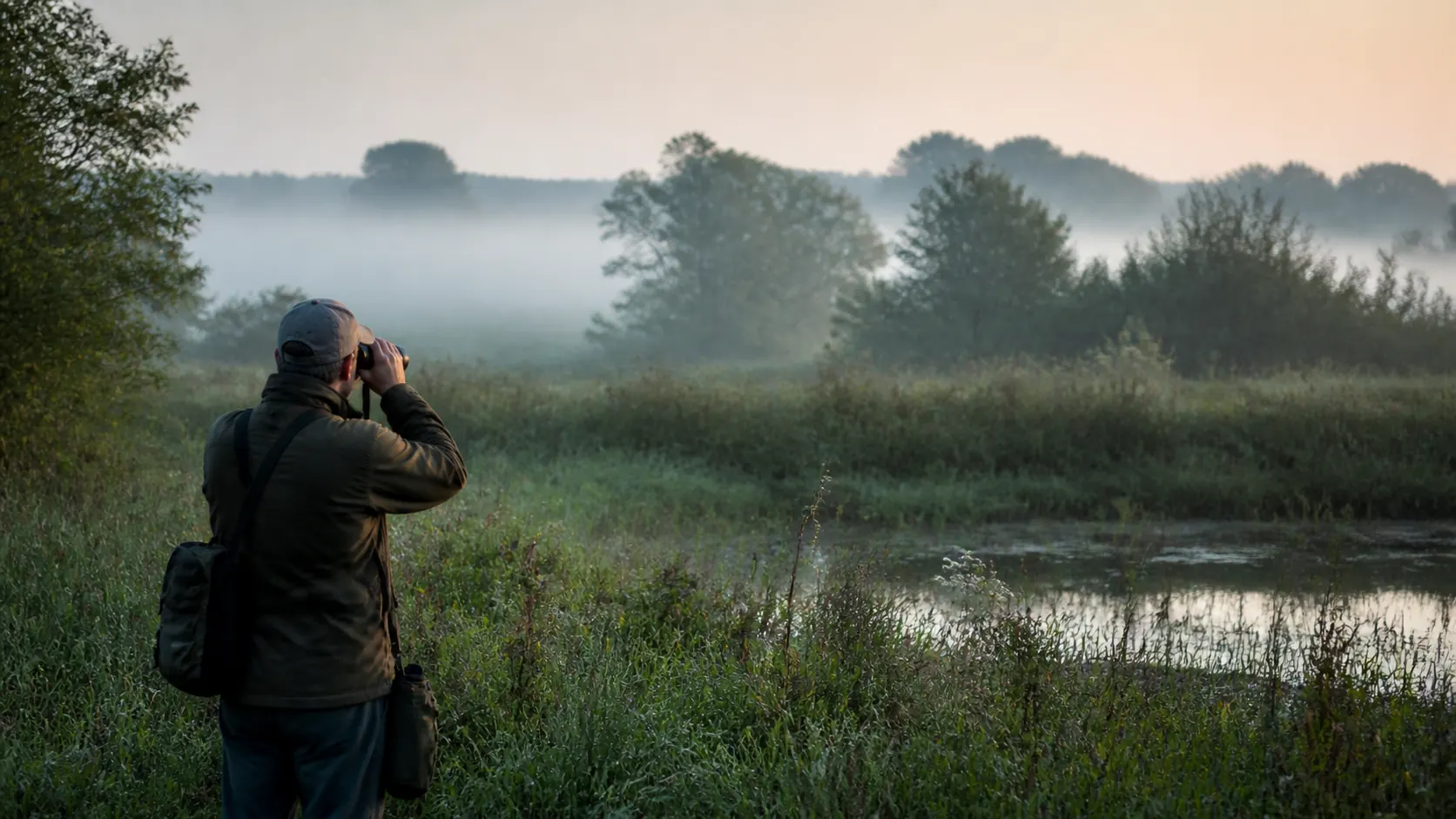
A birdwatching walk at dawn, a botanical outing, an introduction to animal tracking, a forest walk with a nature guide or an evening spent observing the stars can leave a far more lasting memory than an object.
One of the joys of this kind of gift is that it can completely change the way someone looks at a place they thought they already knew.
A familiar path suddenly becomes the territory of a woodpecker, a fox or a discreet wild orchid.
To choose well, it helps to think about the person’s character:
- a birdwatching outing for someone who always looks up when a bird flies past;
- a wild-plant walk for someone curious about botany;
- a nature photography walk for an image lover;
- a night of stargazing for someone drawn to open spaces and silence.
The gift is no longer simply about “doing an activity”.
It offers a new way of seeing.
2. Symbolically sponsor a wild animal
For someone who feels particularly connected to a species, symbolic animal sponsorship can be a lovely idea.
Many conservation organisations offer ways to support their work while symbolically associating the donation with an animal or species: birds of prey, turtles, primates, large mammals, marine animals and many others.
It is important, however, to be clear about what the gesture means.
The recipient obviously does not become the owner of the animal. Sponsorship helps fund protection, care, research or habitat conservation, depending on the organisation involved.
Some organisations also provide regular updates, photographs or information about the species.
For a child — or an adult passionate about wildlife — this can turn a one-off present into a story that continues over time.
Before choosing, it is worth spending a few minutes checking what the contribution actually funds and how clearly the organisation explains its work.
A meaningful gift also begins with clear information.
3. Contribute to tree planting or forest restoration
Giving a tree has become one of the best-known eco-friendly gift ideas.
In practice, this usually means helping to fund a collective project: planting, reforestation, restoring woodland or improving an existing ecosystem.
Here too, words matter.
Funding the planting of a tree does not necessarily mean that a specific tree bearing the recipient’s name can be found again several years later in the middle of a forest.
And that is not necessarily a problem.
The real value of the gift may lie elsewhere: taking part, however modestly, in practical work on the ground and becoming part of something larger.
When choosing a serious project, it can be useful to look at:
- which tree species are planted;
- whether they are suited to the local environment;
- the diversity of the planting;
- how the trees are monitored afterwards;
- the role given to natural regeneration and existing ecosystems.
Caring for a forest does not always mean planting as many trees as possible.
Sometimes, what matters most is giving the living world already present the space to regain its balance.
4. Give the gift of learning about the living world
Learning to recognise a few birdsongs.
Identifying the trees in a woodland.
Understanding the life of a pond.
Discovering pollinators.
Learning about gardening, wildlife photography or stargazing.
Learning is a curious and precious gift: it continues to exist long after the day on which it was given.
Someone who learns to recognise the call of a great tit will never quite walk through the countryside in the same way again.
Likewise, a few hours spent with a botanist can reveal an entire world in what previously seemed to be an ordinary roadside verge.
For someone who already owns plenty of things, giving knowledge can therefore be a particularly rewarding alternative.
Nothing more is added to the house.
Only the way they see the world becomes wider.
5. Give a night surrounded by nature
For some nature lovers, the most beautiful gift is simply the chance to spend more time outdoors.
A night in a treehouse, a mountain refuge, a secluded cottage, a wildlife hide or accommodation set within an exceptional landscape can become a genuine escape.
There is no need to look for the most spectacular experience.
A peaceful place, thoughtfully integrated into its surroundings, can be far more moving than accommodation designed purely to impress.
A few practical checks are useful before giving this kind of stay:
check the opening season, accessibility, cancellation conditions and, above all, the recipient’s expectations in terms of comfort.
Not everyone experiences the same delight at the prospect of spending a night without heating at the end of a forest track.
The right nature gift is still the one that suits the person receiving it.
6. Give something that helps make room for wildlife
A nature-related gift can also find a place in a garden, on a balcony or sometimes simply near a window.
A nest box suited to a local species, a shelter for small wildlife, seeds of native plants, a wildlife-friendly shrub or a properly installed water source can all be useful gifts — provided they are chosen carefully.
A badly designed nest box or one installed in the wrong place will do little to help birds. A seed mix with attractive packaging may contain plants poorly suited to the area where they will be sown.
The best approach is therefore to start with the place rather than the object.
What already lives here?
What is missing?
Which plants are naturally suited to the climate and soil?
Sometimes the most beneficial gesture is surprisingly simple: leave an area of grass longer, allow a few leaves to remain on the ground or avoid unnecessary lighting in part of the garden at night.
Giving something for biodiversity does not necessarily mean adding something.
Sometimes it means helping to leave space.
7. Help preserve a landscape or living heritage
Nature and heritage do not always exist separately.
An old hedgerow, a traditional orchard, a pond, a mill, a sunken lane, woodland surrounding a château or the dry-stone walls of an agricultural landscape can tell both a human story and a natural one.
Supporting their preservation can therefore make a particularly touching gift for someone who feels strongly connected to a place.
Some charities, foundations and local projects allow people to contribute to the restoration of a specific site or the preservation of an element of local heritage.
The gesture then takes on an additional dimension.
It is no longer simply about preserving one stone, one tree or one isolated building, but about contributing to the continuity of an entire landscape.
Places have memories too.
And caring for them can sometimes preserve, at the same time, the species that live there, the knowledge that shaped them and the stories that can still be told tomorrow.
8. Make a donation to a nature conservation organisation
For someone who genuinely does not want to receive anything, making a donation in their name may be the simplest idea.
Protecting a species, restoring natural habitats, caring for injured wildlife, preserving wetlands, environmental education…
There is no shortage of causes.
But it is better to choose one that genuinely reflects the recipient’s interests.
Someone passionate about the ocean may not respond in quite the same way to a woodland project. Someone deeply attached to their local area may prefer a small local organisation to a large international charity.
To make the gesture more personal, the donation can be accompanied by a card explaining why that particular cause was chosen.
A few lines are enough.
The gift then stops being merely a transfer of money.
It becomes a thoughtful gesture.
9. Give time together in nature
This idea costs almost nothing and can nevertheless become one of the most precious.
Plan an entire day.
Choose a path.
Pack a picnic.
Return to a place you once knew.
Watch the sunrise.
Walk without any particular destination.
Go back to a parent’s childhood village.
Sit beside a river with someone you do not see often enough.
At a time when gifts are so often associated with what we buy, giving time can almost seem too simple.
But that overlooks something we sometimes find much harder to give: our presence.
For someone who loves nature, a carefully planned day can become a deeply personal gift.
There is nothing to put away afterwards.
Only a shared memory.
10. Give a lasting connection with a living place
There is one more way to imagine a nature gift.
Not an object.
Not simply a day.
Not the symbolic ownership of a piece of land.
Not merely a tree or an animal associated with a certificate.
But a connection that develops with a real place.
That is the idea behind Les Chevaliers de l’Astrée, a non-profit organisation that cares for living estates and creates lasting connections between people and places.
Today, Les Chevaliers care for three estates in France and Spain, each with its own landscape, story and particular way of welcoming the living world.
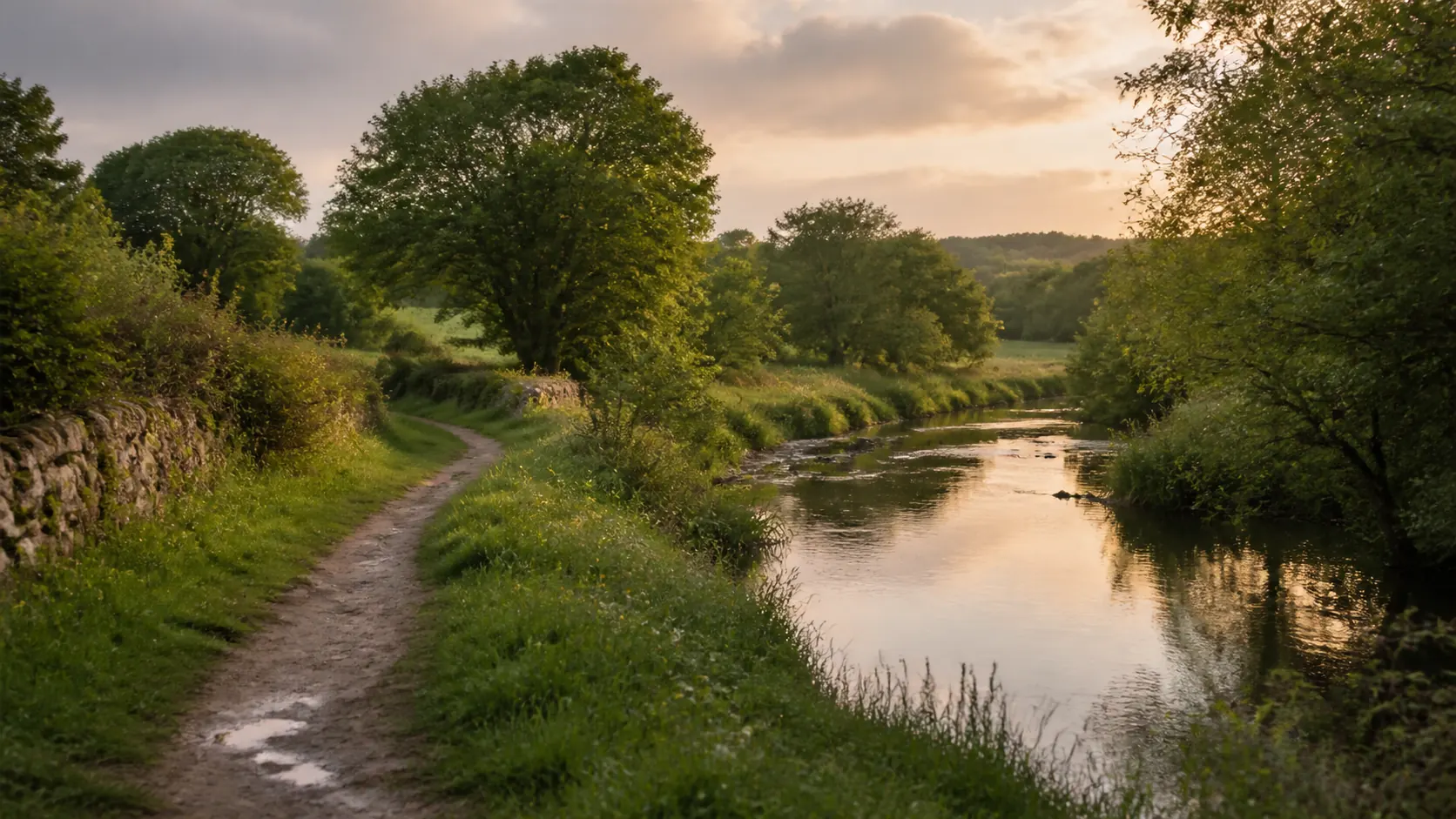
Les Eaux de Velours, in the Poitou region of France, brings together meadow, water and wetland habitats in a landscape where observing wildlife plays an important role.
Les Mille Légendes, in the Berry region, is shaped in particular by its old orchard and trees — witnesses to a landscape transformed over time.
Les Terres d’Aragon, in Spain, is a Mediterranean landscape of olive and almond trees, beneath a light quite different from that of the two French estates.
Giving someone membership of Les Chevaliers de l’Astrée does not mean giving them ownership of a piece of nature.
It means connecting a person with a real estate, allowing them to follow its story and evolution and, whenever opportunities are offered, to come and discover it for themselves.
Over time, news from the estates, the Notebooks and stories from the Scribe allow members to watch these places change, season after season.
It is a different way of giving nature: not as something to own, but as something we choose to pay attention to.
Discover how to give a lifetime membership.
Receive.
Care.
Pass it on.
How do you choose the right gift for a nature lover?
Would they rather experience something once, or follow a story over time?
A nature outing or an unusual overnight stay creates a concentrated memory over a day or weekend.
Sponsorship, learning or a connection with a place can continue for months or even years.
Both kinds of gifts can be wonderful.
They simply suit different people.
What kind of connection do they already have with nature?
Some people love walking through forests.
Others garden.
Others photograph birds, admire landscapes, love animals or are fascinated by the history of places.
The word “nature” encompasses very different interests.
The more closely the gift reflects an existing curiosity, the more likely it is to be genuinely appreciated.
Do they actually want something material?
This may be the most useful question of all.
For some people, a beautiful book, a nest box or a plant will be the perfect gift.
For others — especially those who already own plenty of things — an experience, an opportunity to learn, a donation or a lasting connection with a place may mean much more.
There is therefore no single perfect gift for a nature lover.
There is only the gift that suits the person you want to touch.
Giving nature does not necessarily mean wrapping it in a box.
You can give a day outdoors, new knowledge, a species you help protect, a landscape you help preserve or simply a few hours spent together.
And sometimes, you can give something even more discreet: the opportunity to begin noticing a place and then to continue caring about it over time.
Because a gift does not always have to belong to us in order to stay with us for a very long time.
Your voice matters
Respond to this Echo
An observation, experience or question? Share it here. Comments are reviewed before publication.
No published comments yet. You can start the conversation.