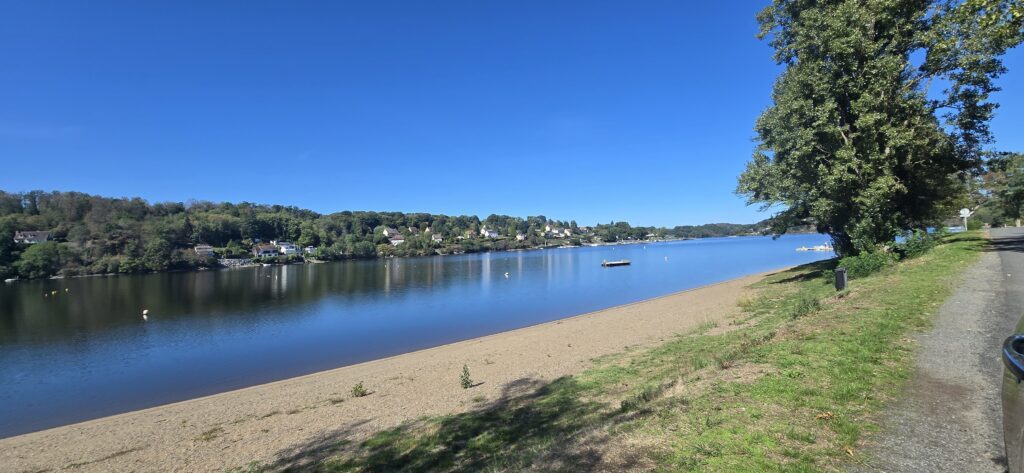
Sometimes the water has only to recede for the past to reappear.
In autumn 2026, Lake Éguzon revealed unfamiliar shores. Around Crozant, exposed rocks and steep slopes recalled the landscapes that once inspired painters.
A century-old dam under inspection
First filled in 1926, the Éguzon reservoir marks its centenary in 2026. EDF lowered the water level to inspect parts of the hydroelectric dam normally below the surface, as part of its ten-year safety inspection.
Reports in October indicated a target level of around 193.5 metres NGF, compared with the usual operating level of 202.7 metres NGF. Refilling depends in part on natural inflows.
What lies beneath the water?
Lost mills, rediscovered stones and a legend passed down through generations.
The story is more complicated than that of an entire village whose church tower emerges whenever the reservoir is drained. The flooding did cover bridges and mills, including sites associated with Chambon and Fougères. Remains were visible during earlier drawdowns, notably in 1954, 1967 and 1988.
According to an account published by the Indre departmental authorities, a boatman once placed a cross-shaped stone on the ruins of a mill, encouraging visitors to imagine the remains of a submerged church. That story helped spread the legend of the “drowned village”.
Accounts differ, however: the tourism website Berry Province describes Chambon as a former settlement evacuated before flooding and mentions a church dismantled and rebuilt at Cuzion. These sources do not establish that an entire intact village lies beneath the lake. What is beyond doubt is that the dam profoundly changed a lived-in, working valley.
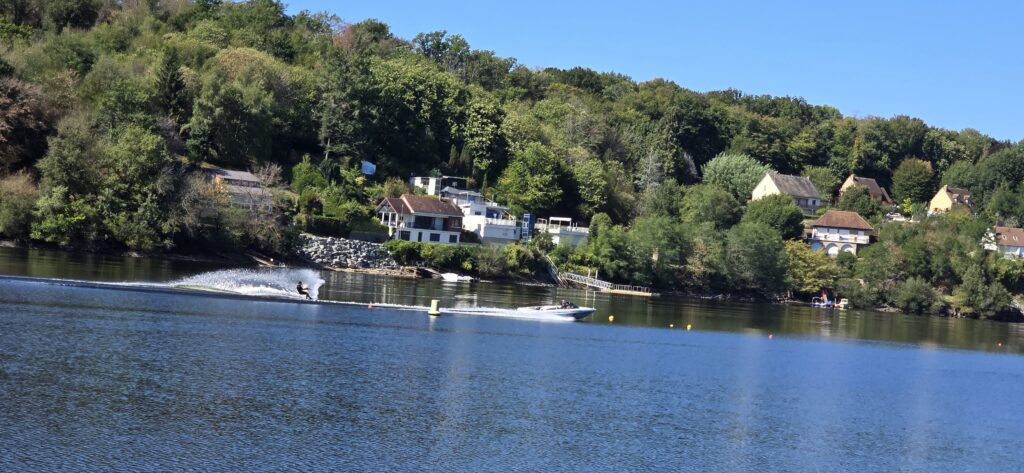
Before the dam, the Creuse wound between wooded hillsides. The landscapes around Crozant attracted artists including Claude Monet. When the water falls, the shape of that older valley becomes easier to imagine.
What happens to the lake’s wildlife?
Beyond the changing scenery, lower water levels raise questions about the balance of living ecosystems.
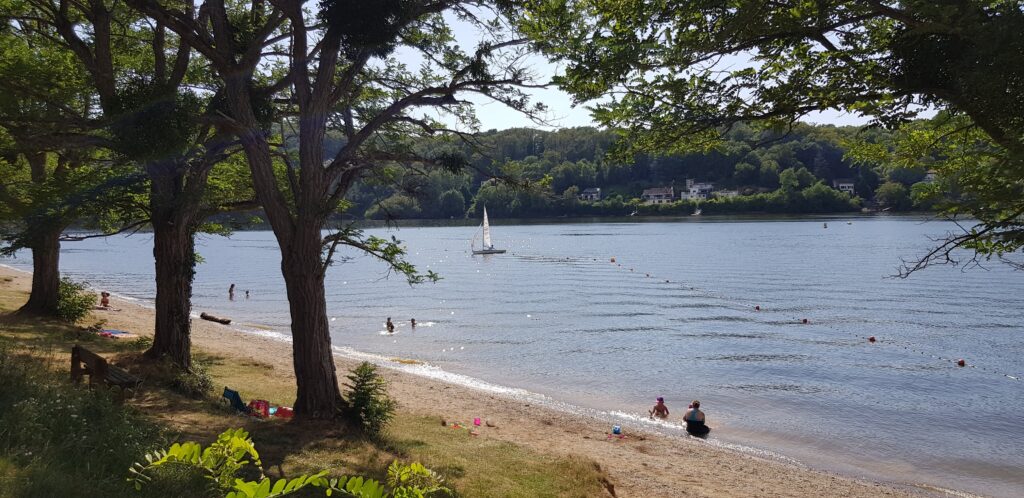
Over the decades, the reservoir has become home to fish, waterbirds, aquatic insects and many other organisms. A substantial fall in water level can expose shallow habitats and change the feeding areas available to wildlife.
The actual impact depends on the season, scale and duration of the drawdown. Without ecological monitoring results specific to the 2026 operation, it would be wrong to claim that particular damage occurred. Dam safety matters, and so does careful attention to living ecosystems.
Observe, understand, pass on
Not far from this valley, our Mille Légendes estate, with around 80 apple trees, reminds us that landscapes are never fixed. Orchards, rivers, meadows and lakes evolve with the seasons and human decisions.
Understanding those changes helps us think more clearly about energy, heritage, safety and biodiversity.
We care for what will outlive us.
Les Chevaliers de l’Astrée · Receive – Watch Over – Pass On
Your voice matters
Respond to this Echo
An observation, experience or question? Share it here. Comments are reviewed before publication.
No published comments yet. You can start the conversation.