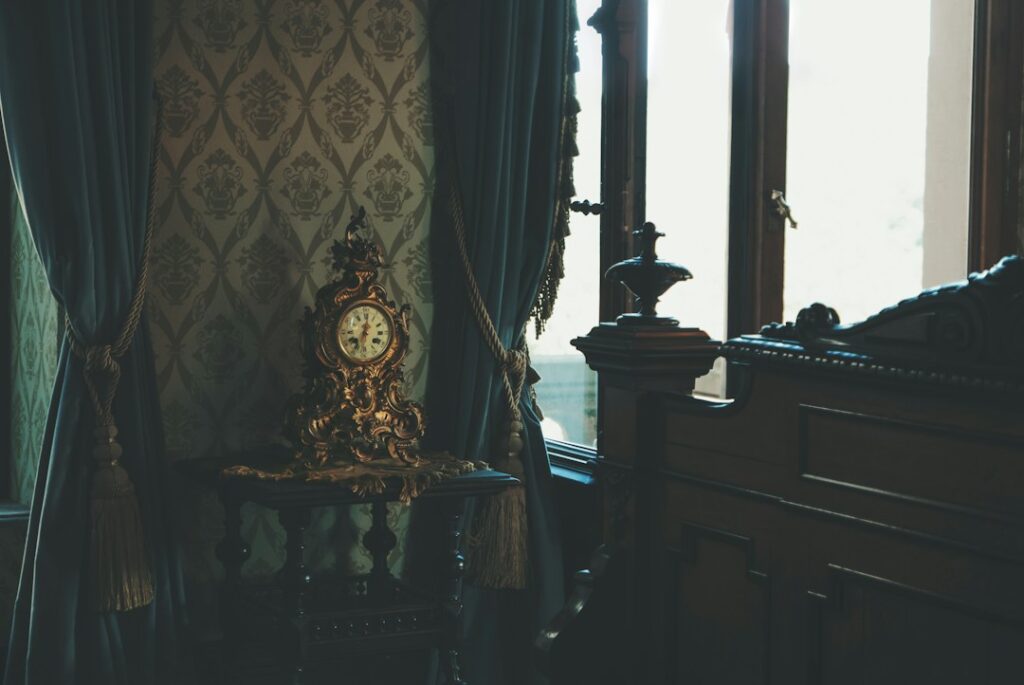
An idea born from the desire to save energy, disrupted body clocks, animals that ignore our watches and even twins whose younger brother appears to be the elder… Changing the clocks has some remarkable stories to tell!
During the night of Saturday 24 to Sunday 25 October 2026, much of Europe turned its clocks back by one hour. At 3 a.m., it was 2 a.m. again.
One extra hour on the clock does not guarantee an extra hour of sleep for everyone. And every year, the same question returns: why do we still change the clocks?
Behind this ordinary gesture lie a century-old history, energy debates, geographical curiosities and some genuinely surprising stories.
An idea more than two centuries old
It all begins, or almost, with Benjamin Franklin. In 1784, while living in Paris, the American thinker published a satirical letter suggesting that Parisians could save candles by rising earlier to enjoy the sunlight. He did not, however, propose moving clocks forward and back twice a year. Modern daylight saving time took shape during the First World War. In 1916, Germany and Austria-Hungary introduced it to save coal, and France followed a few weeks later. France abandoned summer time in 1945, then reintroduced seasonal clock changes in 1976 following the oil crisis. The idea was to make better use of natural evening light and reduce artificial lighting. A response to an energy crisis became a lasting habit.
Does changing the clocks really save energy?
Yes, although the benefits have changed. According to an ADEME assessment, the system saved approximately 440 gigawatt-hours of electricity used for lighting in France in 2009, about 0.1% of the country’s electricity consumption at that time. This is a historical estimate, not a measure of today’s savings. Since then, LEDs have replaced many older light bulbs, while heating, cooling and other electricity needs have evolved. The overall energy balance depends on location and behaviour. What seemed straightforward during an oil crisis is far less clear-cut today.
Does the whole world change its clocks?
Not at all! Only a minority of countries still observe seasonal clock changes. European Union countries follow common dates, but Iceland does not change its clocks. Most of the United States and Canada do, with exceptions including Hawaii and most of Arizona. China, India and Japan do not observe daylight saving time. Australia offers a particularly curious example: some states change their clocks while others do not. Near the equator, day length changes relatively little over the year, so moving the clocks offers less benefit. Farther north or south, the seasonal difference in daylight is much greater.
Why do France and Spain share the same time?
Metropolitan France and mainland Spain use the same time zone, even though Madrid lies farther west than London. When it is noon in Paris, it is also noon in Madrid, but only 11 a.m. in London during winter. Spain adopted Central European Time in 1940, while France retained that time zone after the Second World War. The Canary Islands, however, are one hour behind mainland Spain. This helps explain why sunrise and sunset can seem surprisingly late by the clock in Spain. And time zones are not always whole hours apart: India is UTC+5:30 and Nepal UTC+5:45!
But what exactly is noon?
We call it noon when our clocks display 12:00. For the Sun, however, noon is the moment when it reaches its highest point in the sky that day: solar noon. The two do not necessarily coincide. Longitude, time zones, daylight saving time and seasonal variations in the Sun’s apparent movement all contribute to the difference. Across much of metropolitan France, solar noon occurs after 12:00 by the clock, particularly in summer. For centuries, sundials allowed people to read this time directly from the sky. The Earth turns, the Sun shines, the seasons pass… and we decide what our clock hands should display.
Does our body have its own clock?
Yes. Our bodies follow circadian rhythms of roughly 24 hours, influencing sleep, alertness, body temperature and hormones. Natural light, particularly morning light, helps synchronise this internal clock. In spring, moving the clock forward forces us to adjust our social schedules; some people sleep less well or feel less alert. Studies have found short-term associations with certain health risks, although the size and consistency of these effects vary. The autumn change is often easier to tolerate, but an extra hour of sleep is not guaranteed: children, working hours, habits and individual rhythms all make a difference.
Clock changes and jet lag: are they the same?
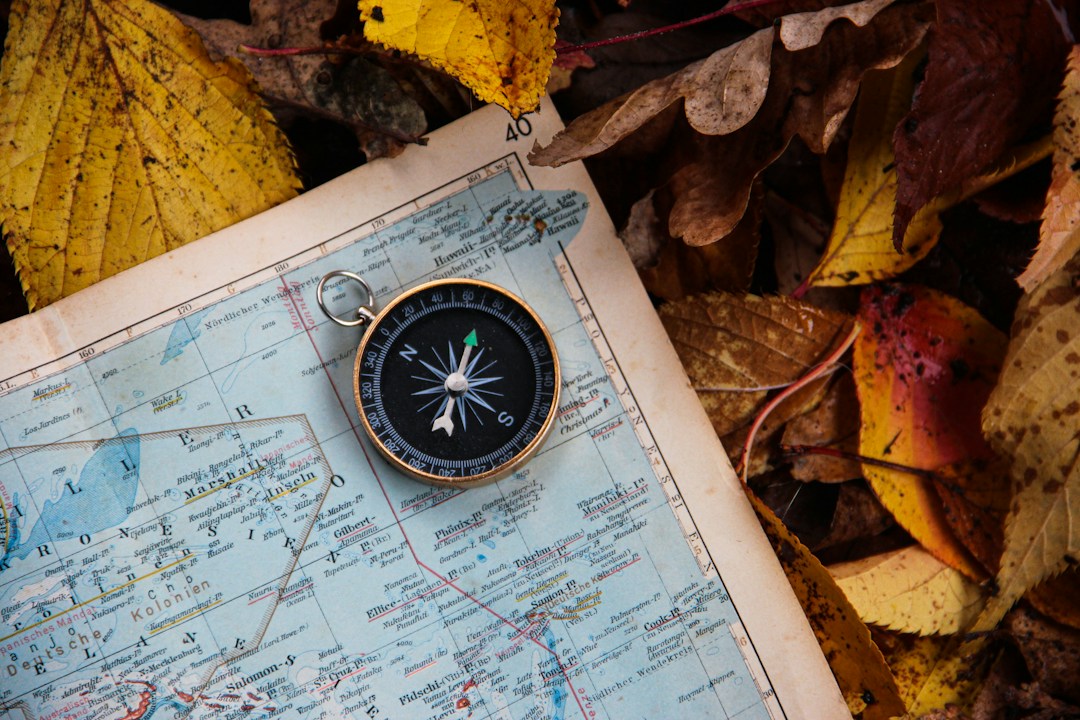
Not quite. When the clocks change, we stay in the same place: the Sun follows its usual cycle while our official schedules shift. When we travel across time zones, we arrive somewhere where daylight and darkness no longer match our internal rhythm. In winter, when it is 6 p.m. in New York, it is generally midnight in Paris. Our bodies may be ready for sleep just as the American evening begins! This is jet lag. A flight from Paris to Johannesburg generally causes little time-zone disruption despite the distance, while travelling to New York may require several days of adjustment. Westward journeys are often easier to adapt to than eastward ones.
Do animals change their clocks too?
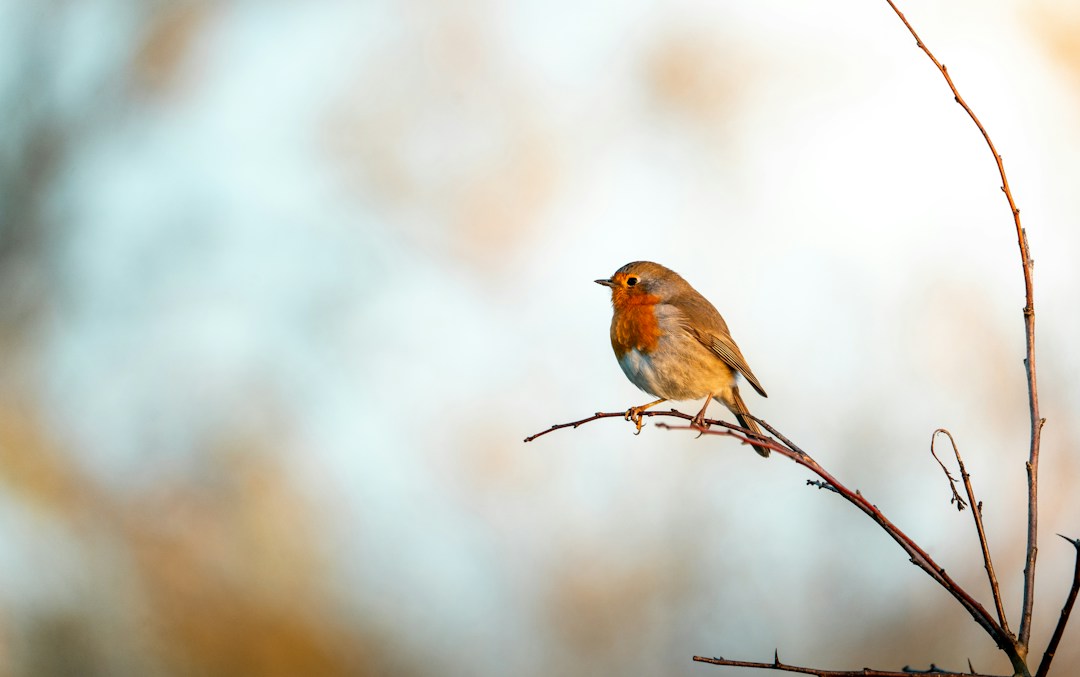
In the wild, nobody announces that the clocks must go back! Birds organise their activities according to daylight, temperature and biological rhythms. A robin does not check its watch before singing, and a deer does not wait for winter time before emerging at dusk. Pets, however, may react when meals or walks suddenly happen later. Wildlife can also be affected indirectly by our schedules. If human travel coincides more closely with dawn or dusk, drivers may encounter animals that are active at those times. Depending on the season and location, this can contribute to road collisions. The clock change is not the sole cause.

Do plants have clocks of their own?
They do! Many plants have genuine internal circadian clocks. Some flowers open in the morning and close in the evening; some leaves change position throughout the day. These rhythms are not merely immediate responses to light: certain biological oscillations can continue for a time even under relatively constant external conditions. Light and temperature then help synchronise these internal clocks. Moving our watches forward does not change sunrise or the actual length of the day for a plant. Changing the timing of artificial lighting in a greenhouse, however, may influence its rhythms. Living things were keeping time long before we invented watches.
When the younger twin seems to become the older brother!
This remarkable story is real. On 6 November 2016, at Cape Cod Hospital in Massachusetts, Samuel Peterson was born at 1:39 a.m. His twin brother Ronan arrived 31 minutes later. But between the two births, the clocks had gone back one hour, so the displayed time was 1:10 a.m.! On paper, the younger brother appeared to have been born 29 minutes before his older twin. Of course, the actual birth order did not change. Hospitals, transport operators and computer systems all have to distinguish between hours that repeat in autumn or disappear in spring. You can turn back a clock, but certainly not a baby!
Why hasn’t Europe abolished the clock change?
In 2018, a European Commission consultation received around 4.6 million responses; 84% of respondents favoured ending seasonal clock changes. But participation was voluntary: this was not a representative opinion poll. In 2019, the European Parliament supported abolition. The difficult question was which time to keep. Permanent summer time would offer brighter evenings but later sunrises in winter. Permanent standard time would be closer to solar rhythms but would make summer evenings shorter by the clock. Different choices by neighbouring countries could also complicate transport and trade. With no agreement among member states, seasonal clock changes remain in place in the EU in 2026.
So what have we really gained?
Clock changes were introduced to address a genuine energy problem and delivered measurable savings at a time when lighting consumed much more electricity. But our habits have changed, while questions about sleep, social organisation and the environment remain. Long before clocks existed, birds sang at dawn, flowers opened to the light and animals adjusted their activities to the seasons. We invented watches and time zones to organise our societies.
But the Sun has never moved forward or back by a single minute just to please us.
Sources and further reading
ADEME energy assessment · Benjamin Franklin’s letter · EU directive · Wildlife collision study · Peterson twins.
Your voice matters
Respond to this Echo
An observation, experience or question? Share it here. Comments are reviewed before publication.
No published comments yet. You can start the conversation.